
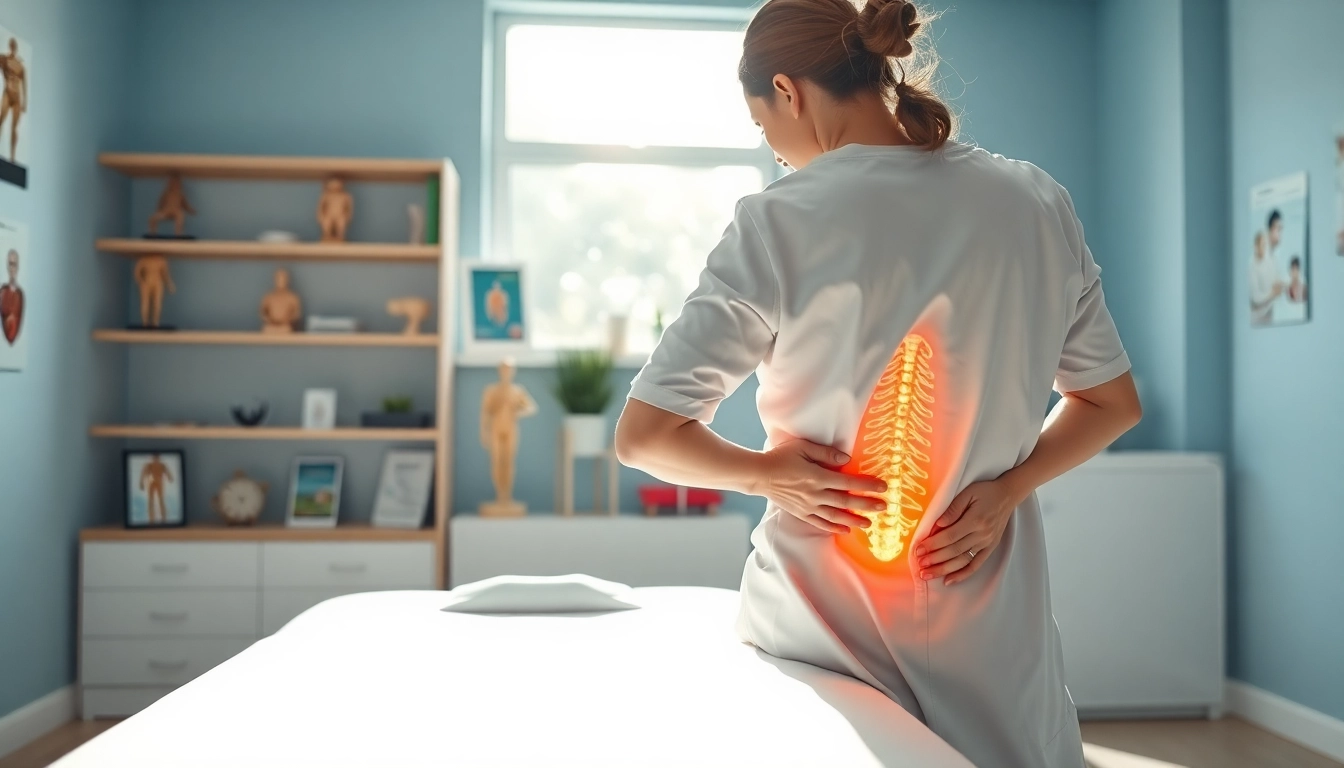
Understanding Lower Back Pain Causes
Lower back pain is an issue affecting millions worldwide, often significantly impacting quality of life. The origins of this discomfort can be varied and complex, stemming from numerous factors. By identifying the lower back pain causes, individuals can take proactive steps towards recovery and prevention. This guide delves into common causes, risk factors, preventative measures, treatment options, and frequently asked questions regarding lower back pain.
Common Lower Back Pain Causes
Muscle Strains and Ligament Sprains
One of the most prevalent causes of lower back pain is muscle strains and ligament sprains. These injuries often occur when there is excessive stretching or heavy lifting, leading to micro-tears in the muscle fibers and ligaments that support the spine. Common scenarios that might result in these strains include:
- Sudden movements, such as twisting while lifting a heavy object.
- Prolonged periods of poor posture, which can weaken support structures.
- Overexertion during physical activities, especially if the body isn’t properly conditioned.
Symptoms typically manifest as a sharp pain during movement or chronic dull aches that intensify with repetitive motions. Treatment includes rest, ice applications, and physical therapy aimed at strengthening core muscles.
Herniated Discs and Nerve Compression
Another significant cause of lower back pain is herniated discs. The spinal column consists of vertebrae cushioned by discs filled with gel-like material. When these discs degenerate or are subjected to excessive strain, the softer inner core can bulge or rupture, pressing on surrounding nerves. This condition often leads to:
- Radiculopathy, where pain radiates down the legs (sciatica).
- Numbness or tingling, indicating nerve involvement.
- Weakness in the legs, affecting mobility.
Diagnosis commonly involves MRI imaging, followed by options for management like physical therapy, medication, or in severe cases, surgery to relieve the pressure on nerves.
Arthritis Impact on the Spine
Arthritis, particularly osteoarthritis, affects many and often leads to lower back pain as age advances. This degenerative joint disease results in the erosion of protective cartilage between joints, prompting pain and inflammation. Symptoms can include:
- Stiffness, especially after prolonged periods of inactivity.
- Pain during specific movements or when bending over.
Ample treatment options range from anti-inflammatory medications to physical therapy, which focuses on strengthening surrounding muscles and improving flexibility.
Risk Factors of Lower Back Pain
Age and Its Relation to Pain
As individuals age, the likelihood of experiencing lower back pain increases. Natural degeneration of the spine, including disc herniation and arthritis, is common. Additionally, changes in muscle strength and flexibility contribute to these issues. Studies show that nearly 80% of adults will experience some form of back pain in their lifetime, often due to age-related wear and tear.
Occupational Hazards and Lifestyle Choices
Work-related activities play a crucial role in the development of lower back pain. Occupations that require heavy lifting, prolonged sitting, or repetitive motions can strain the back. Additionally, lifestyle choices such as inactivity and smoking may exacerbate back issues. It’s essential for individuals to be mindful of their work environment and strive to incorporate regular movement throughout the day.
Obesity and Its Contribution to Pain
Obesity is a significant risk factor for lower back pain, primarily due to the increased mechanical stress placed on the spine. Excess weight can cause the spine to misalign, leading to pain and discomfort. A study found that for every pound gained, the pressure on the lower back increases significantly, highlighting the importance of maintaining a healthy weight. Implementing a balanced diet and exercise regimen can mitigate these risks.
Preventative Measures for Lower Back Pain
Exercise and Stretching Techniques
Prevention is paramount when it comes to lower back pain. Regular exercise, particularly strength training and stretching, enhances muscular support for the spine. Core-strengthening activities, such as planks or bridges, help maintain stability. Additionally, incorporating yoga or Pilates can improve flexibility, thereby reducing strain on the back.
Proper Posture Guidelines
Maintaining proper posture while sitting, standing, and lifting is crucial in preventing lower back pain. Individuals should ensure that their chairs offer adequate lumbar support and encourage a neutral spine position. When lifting objects, using leg muscles instead of back muscles helps minimize strain on the spine.
Ergonomic Adjustments at Home and Work
Implementing ergonomic adjustments at work and home can prevent back strain. This includes setting up an ergonomic workstation, using appropriate seating, and arranging items within easy reach to avoid unnecessary bending or twisting. Taking frequent breaks to move and stretch is equally important to alleviate stiffness.
Treatment Options for Lower Back Pain
Physical Therapy Basics
Physical therapy plays a crucial role in treating lower back pain. A skilled therapist develops individualized plans that focus on strengthening exercises, mobility training, and pain relief techniques. Patients often experience significant improvements in pain levels and functional performance through tailored exercises and modalities, such as heat or ultrasound therapy.
Medications and Pain Management
Over-the-counter pain relievers, such as ibuprofen or acetaminophen, are commonly used to manage lower back pain. For individuals with chronic pain, healthcare providers may prescribe stronger medications, including muscle relaxants or anti-inflammatory drugs. Complementary treatments, such as acupuncture or chiropractic care, may also provide significant relief.
Surgical Considerations
In cases where conservative treatments fail to alleviate symptoms, surgery may become necessary. Procedures like discectomy or spinal fusion are considered when there is visible structural damage, such as a herniated disc or severe spinal stenosis. A thorough discussion with a healthcare provider is essential in making informed decisions regarding surgical options.
FAQs About Lower Back Pain Causes
What are the most common causes of lower back pain?
Typical causes include muscle strains, herniated discs, and arthritis affecting spinal structures.
Can lifestyle changes help prevent lower back pain?
Yes, engaging in regular exercise, practicing weight management, and maintaining proper posture are effective preventive measures.
Is lower back pain more prevalent in older adults?
Absolutely, as age-related changes in the spine and surrounding structures contribute to higher pain rates.
How can physical therapy alleviate lower back pain?
Physical therapy focuses on strengthening and improving flexibility, helping to reduce strain and discomfort in the back.
When should I consult a doctor about lower back pain?
If pain persists for more than two weeks or is severe, it’s advisable to consult a healthcare professional for assessment and management.