Understanding Lvt Flooring
What is Lvt Flooring?
Luxury Vinyl Tile (LVT) flooring is an innovative flooring solution designed to mimic the look of natural materials like wood or stone while providing the practicality and durability of vinyl. Comprising multiple layers, LVT flooring typically features a clear wear layer that protects against scratches and stains, a design layer that gives it its aesthetic appeal, and a backing layer for additional stability and comfort. Given its unique composition, lvt flooring offers an excellent balance of beauty and functionality, making it a popular choice for both residential and commercial spaces.
Key Features of Lvt Flooring
LVT flooring boasts several key features that enhance its appeal:
- Water Resistance: Many options are water-resistant or completely waterproof, making them suitable for wet areas.
- Durability: LVT is designed to withstand heavy foot traffic, making it an ideal choice for high-traffic areas.
- Comfort: With a softer surface compared to traditional tile or hardwood, LVT is comfortable to walk on.
- Sound Absorption: The layers in LVT flooring help reduce noise, providing a quieter environment.
- Easy Maintenance: Simple regular cleaning and no need for waxing or refinishing are significant benefits.
Types of Lvt Flooring
Lvt flooring comes in a variety of styles, textures, and colors to suit different aesthetics and needs. Notable types include:
- Glue Down: Requires adhesive for installation, suitable for commercial applications.
- Click-Lock: Features a tongue-and-groove design that locks the planks together, allowing for easier DIY installation.
- Loose Lay: Designed to lay flat without adhesive; great for temporary installations or easy replacements.
- Stone Vinyl Tile: Mimics natural stone but offers a softer feel underfoot.
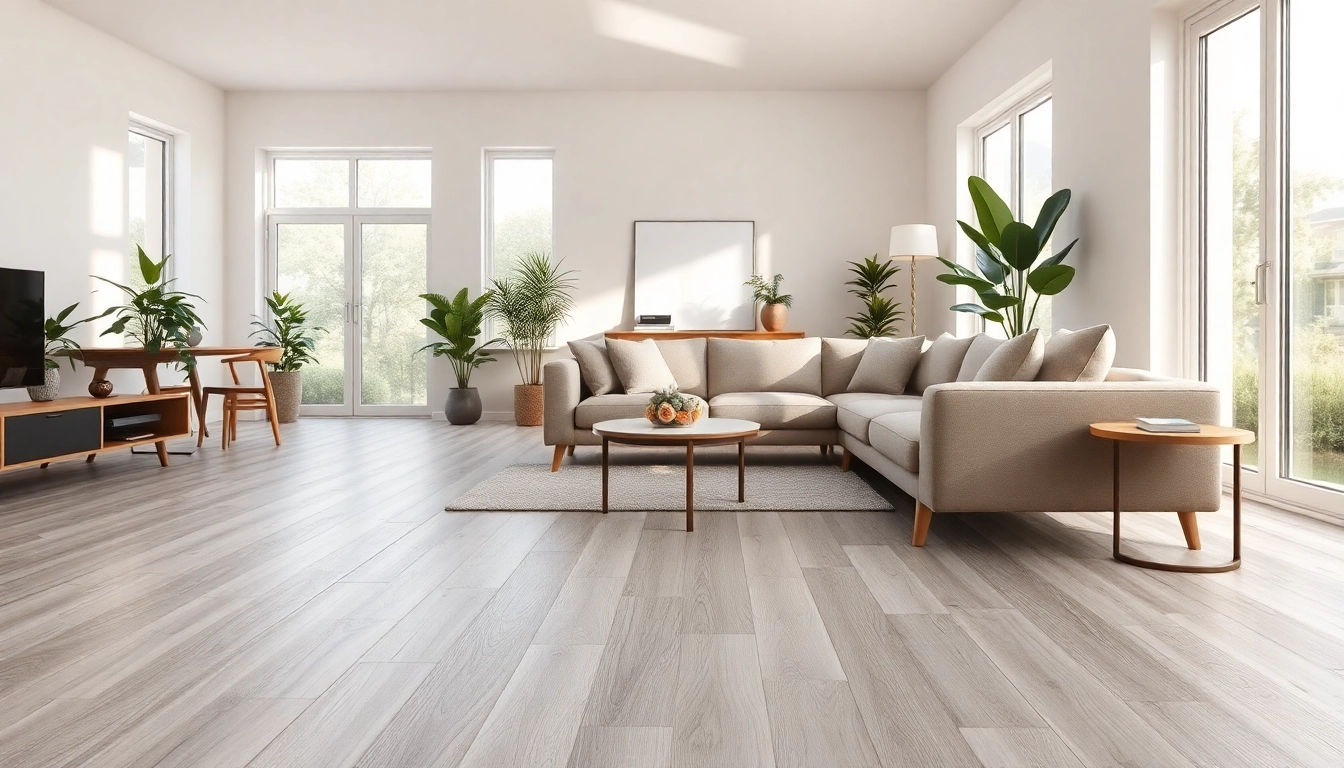
- Wood Look Vinyl Plank: Replicates the appearance of hardwood flooring, complete with varying textures and grains.
Advantages of Lvt Flooring
Durability and Maintenance
Lvt flooring’s durable nature is among its primary advantages. Many products are designed to last 10 to 20 years with proper care. The wear layer prevents scratches, stains, and dents, allowing it to withstand everyday wear and tear from pets, children, and heavy foot traffic. Maintenance is straightforward: regular sweeping or vacuuming, along with occasional damp mopping, will keep the floor looking fresh. Unlike hardwood or stone, LVT does not require refinishing or special cleaning products, making it a practical flooring option.
Design Versatility
One of the standout features of LVT flooring is its design versatility. Available in an extensive array of colors, patterns, and finishes, LVT can effortlessly complement any design style, from contemporary to classic. The technology behind LVT allows for realistic visual textures—such as distressed wood or polished stone—providing a sophisticated finish without the associated cost or maintenance of natural materials. This adaptability allows homeowners and designers to craft unique settings tailored to specific tastes, ensuring a personalized touch in each space.
Cost-Effectiveness
LVT flooring provides an affordable alternative to traditional flooring materials. While it offers the luxurious appearance of hardwood or natural stone, it typically comes at a lower price point. The cost-effective nature extends beyond the initial purchase; because of its durability and low maintenance requirements, LVT can save money in the long run through reduced repair and replacement costs. Additionally, its ease of installation may decrease labor costs, making it a budget-friendly flooring option for renovations and new builds alike.
Choosing the Right Lvt Flooring
Evaluating Room Requirements
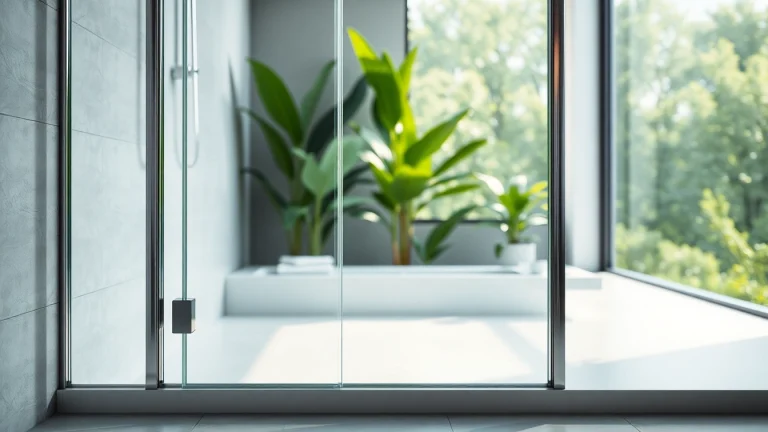
Before selecting LVT flooring, it is essential to consider the specific requirements of each room. Factors such as foot traffic levels, exposure to moisture, and overall aesthetic will influence decision-making. For example, bathrooms and kitchens benefit from waterproof options, while living rooms may prioritize aesthetics and texture. Customizing LVT selection based on room function ensures that the flooring performs well and looks great for years.
Consider Your Lifestyle
Your lifestyle plays a vital role in selecting the right type of LVT flooring. Families with children or pets may benefit from more durable options with stronger wear layers to resist scratches and dents. In contrast, a quieter couple or individual may opt for softer textures that emphasize comfort and aesthetic appeal. Analyzing daily activities and stressors will help narrow down choices and identify which products can meet specific lifestyle requirements effectively.
Budget Considerations
Budget is a significant determining factor when selecting LVT flooring. Prices can vary according to brand, style, and installation method. Determining a budget range will help streamline choices and prioritize options that provide the most value without compromising quality. When evaluating costs, consider not only the price of materials but also potential installation expenses. Investing in higher-end options can result in a longer-lasting product, making it more cost-effective in the long run.
Installation Process for Lvt Flooring
Preparation and Planning
Proper preparation is essential for a successful installation of LVT flooring. Start by ensuring the subfloor is clean, dry, and level. Remove any existing flooring if necessary, and conduct repairs to any damaged areas that could affect the new flooring’s aesthetic or functionality. Measurements should be accurate, accounting for any cuts or adjustments needed to fit the layout of the space. Planning for acclimation of the flooring—allowing the LVT to adjust to the room’s temperature—can also enhance installation outcomes.
Step-by-Step Installation Guide
While installation methods will vary based on the type of LVT chosen, a general guide involves the following steps:
- Gather Materials: Gather tools, materials, and adhesives (if necessary).
- Acclimate the Flooring: Let LVT acclimate in the room for 48 hours if instructed by the manufacturer.
- Prepare the Subfloor: Ensure it is clean, smooth, and dry.
- Lay Out the Planks or Tiles: Begin by laying out a few planks or tiles to visualize the pattern and make adjustments.
- Install the Flooring: Begin installation according to the chosen method (glue, click-lock, or loose lay).
- Trim and Finish: Install any necessary trim or molding to complete the look.
Common Mistakes to Avoid
Avoiding common pitfalls during LVT installation can save time and frustration:
- Skipping Subfloor Preparation: Neglecting to prepare the subfloor can lead to a subpar finish.
- Not Acclimating: Failing to acclimate LVT can result in expansion or contraction post-installation.
- Incorrect Measurement: Always double-check measurements before making cuts to minimize waste.
- Disregarding Manufacturer Instructions: Each product may have specific recommendations that, if ignored, can affect performance.
FAQs about Lvt Flooring
What is the lifespan of lvt flooring?
Lvt flooring typically lasts between 15 to 25 years with proper care and maintenance.
Can lvt flooring be installed over existing floors?
Yes, lvt flooring can be installed over most existing floor types, as long as they are smooth and stable.
Is lvt flooring waterproof?
Many lvt flooring options are waterproof, making them suitable for kitchens and bathrooms.
How do I clean lvt flooring?
Regular sweeping and occasional damp mopping with a mild cleaner will keep lvt flooring looking great.
Can lvt flooring be refinished?
No, lvt flooring cannot be sanded or refinished; however, it is designed to resist scratches and dents.