
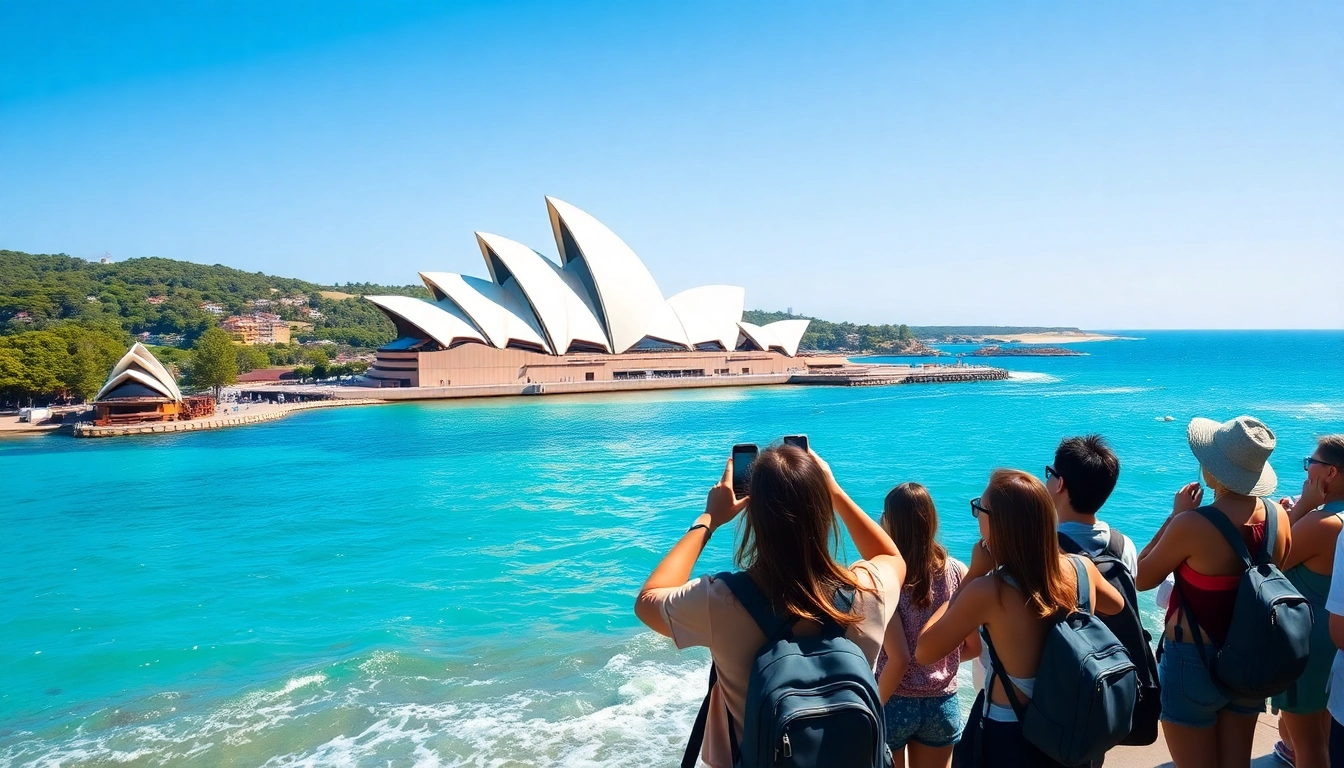
Introduction to Australia
Australia, a sprawling continent and country known for its stunning landscapes and diverse culture, offers a wealth of experiences to anyone who visits. From vibrant cities to breathtaking natural wonders, Australia is a land that captivates with its unique blend of modernity and ancient heritage.
Overview of Australia’s Geography
Australia is the sixth-largest country in the world, spanning about 7.7 million square kilometers. It is bordered by the Indian and Pacific Oceans, featuring various geographic landscapes that range from arid desert regions to lush tropical rainforests. Australia is divided into six states: New South Wales, Queensland, South Australia, Tasmania, Victoria, and Western Australia, each boasting distinct climates, wildlife, and natural beauty. The country is also home to the vast Outback, a remote interior known for its rugged terrain and iconic landmarks like Uluru.
The coastal regions of Australia are where most of the population resides, leading to urban centers like Sydney, Melbourne, and Brisbane blossoming along the shores. The Great Dividing Range, which stretches along the eastern coast, plays a vital role in climate and biodiversity, influencing rainfall patterns and the types of flora and fauna found in these areas.
Cultural Significance of Australia
Australia is renowned for its rich Indigenous heritage and diverse immigrant population, which has created a tapestry of languages, traditions, and art forms. The Aboriginal and Torres Strait Islander peoples have inhabited the land for over 65,000 years, fostering deep spiritual connections to the earth and its natural resources. Their art, music, and dance reflect ancient stories and customs that continue to resonate today. In contemporary Australia, cultural festivals and events celebrate this heritage, highlighting the vibrant contributions of Indigenous communities.
Moreover, migrants from around the globe have shaped Australia’s identity, introducing a variety of cultural practices, cuisines, and festivities, making it a multicultural society that embraces diversity while maintaining a unique national character. This blend of cultures enriches the social fabric of the nation, making it one of the most exciting and welcoming countries in the world.
Why Australia is a Global Icon
Australia has long been viewed as a global icon due to its striking natural wonders, diverse wildlife, and charismatic cities. The Sydney Opera House, with its sail-like architecture, symbolizes Australia’s artistic spirit, while the Great Barrier Reef represents the country’s commitment to preserving its natural beauty. Internationally recognized, Australia is a popular destination for travelers seeking adventure, relaxation, and cultural enrichment.
Additionally, Australia is known for its laid-back lifestyle, outdoor activities, and sporting events, such as cricket and Australian Rules Football. The friendly disposition of Australians fosters an inviting atmosphere for visitors, making Australia not just a place to see but a place to feel at home. The unique experiences available throughout the continent solidify its position as a must-visit destination in the global landscape.
Exploring Major Cities in Australia
Sydney: The Harbor City
Sydney, the capital of New South Wales, is often the first stop for travelers visiting Australia. Renowned for its stunning harbor, Sydney is a bustling metropolis that combines a modern skyline with historical architecture. The Sydney Opera House and Sydney Harbour Bridge are two iconic landmarks that capture the essence of the city’s culture and innovation.
Visitors can take a ferry ride across the harbor, enjoy scenic walks along Bondi Beach, or participate in the vibrant arts scene found in neighborhoods like Surry Hills and Newtown. Sydney’s multicultural environment is evident in its diverse cuisine, ranging from fresh seafood to delectable international dishes. The city’s numerous festivals throughout the year, such as Vivid Sydney and the Sydney Festival, create an exciting calendar of events for locals and tourists alike.
Melbourne: Cultural Capital
Often regarded as Australia’s cultural capital, Melbourne is known for its stylish, artistic vibe and eclectic neighborhoods. The city’s lane-ways are filled with street art, boutique shops, and a thriving café culture that has garnered attention worldwide. Melbourne is also home to a variety of galleries, such as the National Gallery of Victoria and the Australian Centre for Contemporary Art, showcasing the best of Australian and international art.
Each year, Melbourne hosts major events, including the Melbourne International Comedy Festival and the Australian Open, drawing large crowds and cementing its status as a cultural hub. Its diverse population adds to the city’s culinary scene, from Italian in Lygon Street to Ethiopian in Footscray. Melbourne’s unique blend of art, food, and culture continues to attract visitors who find excitement in its vibrant atmosphere.
Brisbane: Gateway to the Gold Coast
Brisbane, the capital of Queensland, is often seen as the gateway to the Gold Coast and other picturesque areas. This sun-filled city is characterized by its warm climate and laid-back lifestyle, making it a popular destination for both locals and tourists. The Brisbane River winds through the city, offering picturesque views and opportunities for river cruises and scenic walks along the South Bank Parklands.
Brisbane’s cultural landscape is also thriving, with institutions like the Queensland Art Gallery and the Queensland Performing Arts Centre showcasing local and international talent. The city is a perfect base for exploring nearby natural attractions, including the stunning beaches of the Gold Coast and the beautiful hinterlands that feature rainforests and wildlife sanctuaries. Brisbane’s friendly atmosphere is a significant draw for those seeking adventure and relaxation in a welcoming environment.
Natural Wonders of Australia
The Great Barrier Reef
The Great Barrier Reef, the world’s largest coral reef system, is one of Australia’s most iconic natural wonders. Stretching over 2,300 kilometers along the coast of Queensland, this UNESCO World Heritage Site is home to an abundance of marine life, including vibrant corals, tropical fish, and unique species like sea turtles and dugongs. Snorkeling and diving in the reef’s clear waters provide opportunities to explore this underwater paradise up close.
Efforts to protect the reef are ongoing, as it faces threats from climate change and pollution. Sustainable tourism practices, such as eco-friendly tours and conservation initiatives, are critical to preserving this natural beauty for future generations. The Great Barrier Reef not only attracts millions of tourists each year but also plays a vital role in Australia’s economy and environmental health.
Uluru-Kata Tjuta National Park
Uluru-Kata Tjuta National Park is located in the Northern Territory and is a sacred site for Indigenous Australians, particularly the Anangu people. Uluru, also known as Ayers Rock, rises dramatically from the arid landscape and undergoes stunning color changes throughout the day. Visitors to the park can experience guided walks that highlight the cultural significance of Uluru and the surrounding area.
Kata Tjuta, a series of large rock formations nearby, presents incredible walking trails, including the Valley of the Winds Walk, which offers breathtaking views and connections to the land’s natural and cultural heritage. The park emphasizes the importance of recognizing and respecting Indigenous traditions, allowing visitors to appreciate the land’s deep spiritual significance while enjoying its natural beauty.
The Rainforests of Daintree
The Daintree Rainforest, located in Far North Queensland, is one of the oldest rainforests in the world and a haven for biodiversity. This UNESCO World Heritage Site is home to countless species of plants and animals, some of which are found nowhere else on Earth. The lush environment features towering trees, flowing rivers, and an array of wildlife, including the endangered cassowary and various reptiles.
Various eco-tourism options exist, allowing travelers to immerse themselves in this remarkable environment through guided walks, river cruises, and nocturnal wildlife tours. Efforts are in place to support conservation initiatives, ensuring that this unique ecosystem remains protected. The Daintree Rainforest exemplifies Australia’s commitment to preserving its natural heritage and offers visitors an unforgettable experience in the heart of nature.
Traveling Tips for Visiting Australia
Best Times to Visit
Australia’s vast expanse means that the best time to visit varies depending on the region. Generally, the spring (September to November) and autumn (March to May) months offer pleasant weather for outdoor activities, while the summer months (December to February) can be sweltering in the north but mild in the south. Planning trips around local events or festivals can also enhance the travel experience, providing insight into Australia’s diverse culture.
Visas and Travel Regulations
Travelers visiting Australia must obtain a valid visa, with several options available depending on the purpose of the visit. From tourist visas to working holiday arrangements, the application process can typically be handled online. It’s essential to check individual visa requirements and conditions before traveling to ensure a smooth entry into the country. Additionally, compliance with customs regulations regarding prohibited items is crucial for a hassle-free experience.
Local Customs and Etiquette
Familiarizing oneself with local customs and etiquette can significantly enhance the travel experience in Australia. Australians are generally friendly, informal, and value punctuality. Tipping is appreciated but not mandatory, while it’s customary to greet people with a friendly “G’day.” Respect for Indigenous cultures and the environment is essential, especially when visiting sacred sites. Understanding and observing these customs will lead to a more authentic and respectful interaction with the local people.
Frequently Asked Questions about Australia
What is the best way to travel around Australia?
Australia offers various options like trains, buses, and rental cars for convenient travel across its vast landscapes. Road trips along the coast or through the Outback are particularly popular. Domestic flights also serve major cities efficiently.
What are the must-see landmarks in Australia?
Key landmarks include the Sydney Opera House, the Great Barrier Reef, and Uluru, each representing Australia’s heritage. Other notable sites are the Twelve Apostles on the Great Ocean Road and the historic precinct of Port Arthur in Tasmania.
What is a unique cultural aspect of Australia?
Australia is known for its vibrant Indigenous cultures and art forms, showcasing ancient traditions and storytelling. Cultural festivals throughout the year highlight the contributions of Aboriginal and Torres Strait Islander peoples.
Is Australia expensive to visit?
Australia can be pricey, but budget options are available, such as hostels and public transport to help manage costs. Eating out at local eateries or cooking in shared kitchens can also lower expenses during the trip.
What is the climate like in Australia?
Australia features diverse climates, ranging from tropical in the north to temperate in the south, affecting seasonal travel plans. Familiarizing oneself with the local climate will help enhance the overall travel experience.