

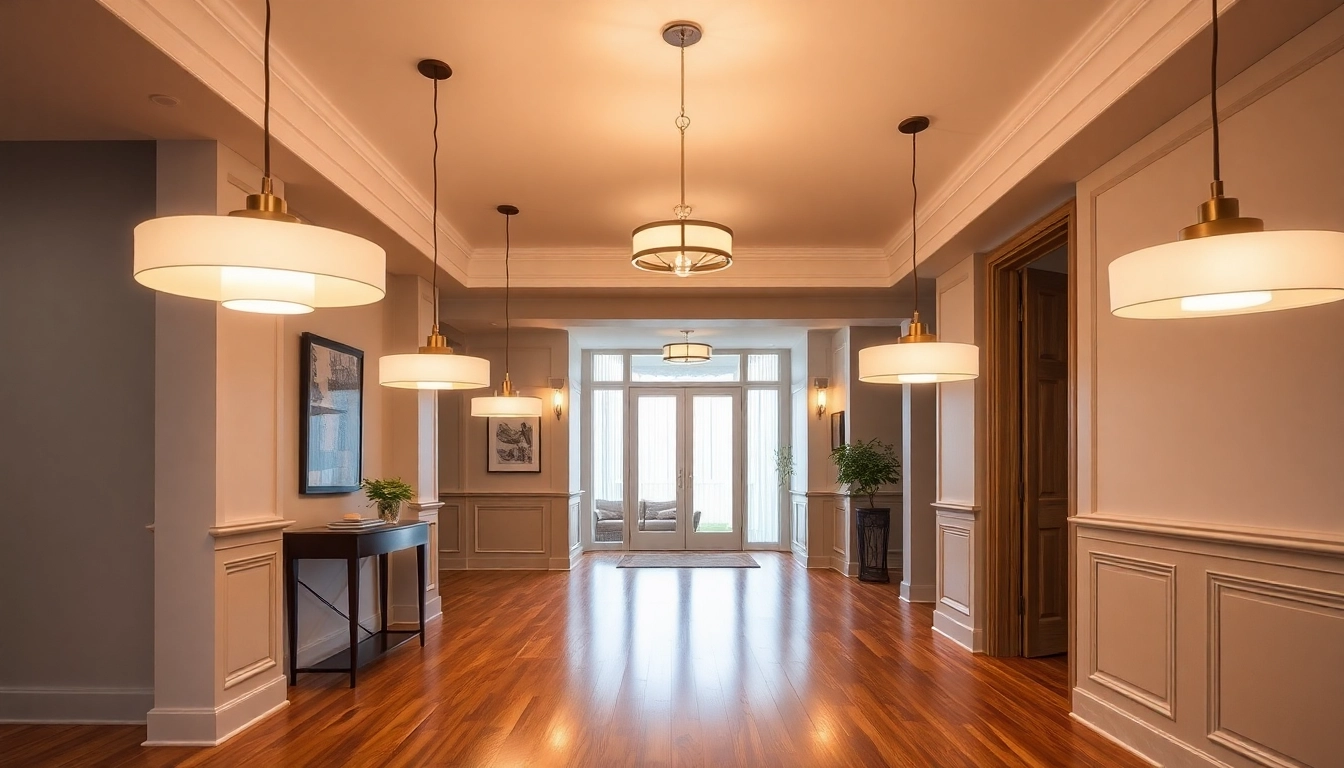
Understanding Hallway Lighting Fixtures
Hallways may not be the most glamorous spaces in a home, yet they serve as essential connectors, linking different rooms and areas. The importance of effective hallway lighting fixtures goes beyond mere functionality; it enhances the overall aesthetics and atmosphere of your home, guiding visitors and residents alike. Right lighting can make narrow or long spaces feel more welcoming, safer, and visually appealing. In this article, we will delve into various aspects of hallway lighting, exploring types, design considerations, best practices, installation tips, common challenges, and how to measure the impact of your choices. You may also find well-chosen hallway lighting fixtures as vital as the layout and decor of the adjoining rooms.
Importance of Lighting in Hallways
Lighting plays a pivotal role in creating an inviting ambiance throughout any home. In hallways, specifically, the importance is magnified due to several reasons:
- Safety: Proper lighting prevents accidents by illuminating pathways, thus reducing the risk of trips and falls.
- Aesthetic Appeal: Thoughtfully designed lighting can elevate the style of a hallway, creating a cohesive look throughout the home.
- Functional Clarity: Well-placed fixtures provide clarity in navigation, ensuring that each transition space is adequately lit to support ease of movement.
- Spatial Perception: Bright lighting can make a hallway appear more spacious, giving a sense of airiness and openness, while strategically placed lighting can draw attention to art pieces or architectural features.
Types of Hallway Lighting Fixtures
When choosing hallway lighting fixtures, various types come into play, each with its characteristics tailored for specific needs:
- Flush Mount Lights: These fixtures offer a streamlined appearance, sitting close to the ceiling, making them perfect for low-ceilinged hallways.
- Pendant Lights: Hanging from the ceiling, pendant lights add style and can be particularly effective in wider hallways, providing ample illumination while being decorative.
- Sconces: Wall-mounted sconces offer a unique option that saves space while providing ambient or accent lighting, ideal for highlighting artwork or architectural details.
- Track Lighting: Adjustable track lighting allows for versatility, focusing light where needed, making it suited for hallways with specific focal points.
- Recessed Lighting: Discreet and minimalist, recessed lighting is perfect for contemporary designs, providing even illumination without occupying visual space.
Design Considerations for Hallway Fixtures
Designing hallway lighting requires a blend of functionality and aesthetics. Here are vital considerations:
- Proportions: Ensure that fixtures are scaled appropriately to the hallway dimensions. Overly large fixtures can overwhelm a narrow space, while tiny ones may get lost in a broad area.
- Style Cohesion: Choose lighting that complements the overall interior decor of your home. From modern to classic, ensure a consistent style throughout the space.
- Color Temperature: The color of the light significantly influences mood—warm tones create a cozy atmosphere, while cool tones can evoke a sense of calm and clarity.
- Light Distribution: Consider how light spreads throughout the hallway. Selecting fixtures that emit light in multiple directions can enhance the space’s brightness.
- Dimmer Switches: Installing dimmers allows for adjustable brightness, enabling you to alter the mood according to different times of the day or occasions.
Best Hallway Lighting Styles
Modern Aesthetics in Lighting
Modern design often emphasizes clean lines and minimalist patterns. In hallway lighting, this translates to fixtures that function as art pieces while providing necessary illumination:
- LED Strip Lighting: Integrated into architecture or along walls, LEDs provide a sleek glow that enhances modern aesthetics.
- Geometric Fixtures: Using bold shapes and angles, contemporary geometric fixtures can serve as focal points in understated spaces.
Classic Fixtures for Timeless Appeal
Classic lighting fixtures bring a sense of sophistication and elegance. Popular choices in this category include:
- Chandeliers: A well-placed chandelier can transform a hallway into a statement piece, infusing traditional grandeur into a space.
- Antique Sconces: These fixtures exude charm and nostalgia, creating a warm and inviting atmosphere.
Popular Trends in Hallway Lighting
Staying abreast of trends ensures your hallway remains stylish and relevant. Here are some current trends in hallway lighting:
- Smart Lighting: Smart bulbs can be controlled via smartphone apps, offering options like scheduling and dimming, enhancing both convenience and energy efficiency.
- Mixed Materials: Combining wood, metal, and glass in lighting designs reflects modern craftsmanship and offers originality.
Installation Tips for Hallway Lighting Fixtures
Planning Your Lighting Layout
The installation of hallway lighting fixtures begins with planning. Considering the layout is essential to achieve optimal light distribution:
- Map out the hallway’s dimensions and features to determine where the fixtures will go and how many are needed.
- Consider layering light sources to achieve a balanced effect—mix ambient, task, and accent lighting.
Electrical Considerations
Before jumping into installation, ensure that you understand electrical requirements:
- Do you need a junction box? Assessing the appropriate power requirements is critical for safety.
- Consider hiring a licensed electrician for complex installations, particularly for systems like track and recessed lighting.
DIY vs. Professional Installation
Deciding between DIY and professional installation often comes down to the complexity of the project:
- DIY: Ideal for basic fixtures and simple replacements, DIY can save costs and offer a sense of accomplishment.
- Professional Installation: For intricate or wired fixtures, hiring a professional will ensure safety and comply with local building codes.
Common Challenges with Hallway Lighting Fixtures
Too Bright vs. Too Dim: Finding Balance
Striking a balance in hallway lighting can be challenging:
- Avoid overly bright fixtures in narrow spaces; instead, go for multiple softer lights.
- Inadequate lighting can lead to shadows and obstructions, impairing visibility—opt for layered lighting to combat this.
Maintenance and Upkeep of Lighting Fixtures
Regular maintenance ensures that hallway lighting remains effective and attractive:
- Clean fixtures regularly to remove dust and grime that can diminish light output.
- Replace bulbs as needed, opting for energy-efficient options to save on electricity bills.
Adapting Lighting to Space Changes
If you decide to renovate or rearrange spaces, consider reevaluating your lighting:
- Modifying your hallway style may dictate switching out fixtures or adjusting their placements.
- Utilize adjustable and mobile options to cater to changing designs without a complete overhaul.
Measuring the Impact of Your Lighting Choices
Evaluating Aesthetic Improvements
Tracking aesthetic improvements includes assessing the ambience created by new lighting:
- Consider taking before and after photos to visually document the changes in your hallway’s character.
- Gather feedback from residents and visitors to understand their perceptions of the space post-installation.
Energy Efficiency Considerations
Beyond aesthetics, energy efficiency plays a crucial role in measuring lighting’s impact:
- Switching to LED or CFL bulbs can significantly reduce energy consumption while providing the same amount of light.
- Utilizing timers or motion sensors ensures that lights are only used when necessary, decreasing utility costs.
Enhancing Property Value Through Lighting
Proper lighting can enhance property value by improving curb appeal and overall attractiveness:
- Well-lit hallways create positive first impressions, an essential factor in prospective buyers’ decisions.
- Upgrading to energy-efficient options not only enhances value but can attract buyers interested in sustainable living.
FAQs
What type of lighting is best for hallways?
Flush mounts and wall sconces are popular choices for hallways. They provide clear visibility and can fit various styles.
How many hallway lighting fixtures do I need?
The number of fixtures depends on the hallway’s length and width. Generally, it’s best to distribute light evenly every 6 to 8 feet.
Can I install hallway lighting fixtures myself?
Yes, basic fixtures can often be installed using standard tools. However, for complex wiring, hiring a professional is advisable.
How often should I replace bulbs in hallway fixtures?
It’s best to check and replace bulbs every 6 months or as needed. This keeps the hallway adequately lit and visually appealing.
What are some energy-efficient lighting options?
LED and CFL bulbs are energy-efficient options that use less electricity and have a longer lifespan than traditional incandescent bulbs.


