
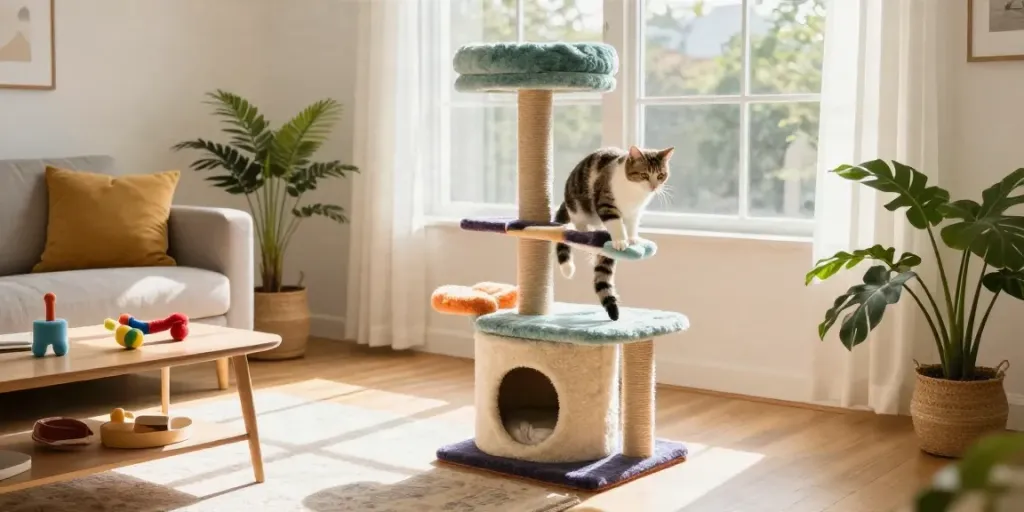
Understanding the Importance of a Cat Tree
For many cat owners, understanding the needs and behaviors of their feline companions is crucial to providing a happy and fulfilling environment. One essential piece of furniture that can significantly enhance a cat's quality of life is a cat tree. These structures are more than just decorative items; they serve multiple purposes that cater to a cat's instincts—offering climbing opportunities, scratching surfaces, and cozy hideaways. In this article, we will delve into the numerous benefits of cat trees, characteristics of effective designs, and how they can contribute to a harmonious household.
Why Every Cat Needs a Cat Tree
Cats are natural climbers and explorers, often seeking high vantage points to survey their environment. A cat tree provides the perfect solution for this instinctive behavior. By offering a designated space for climbing, hiding, and perching, cat trees stimulate a cat's natural tendencies and help prevent boredom. Without an outlet for their energy, cats may resort to destructive behaviors like scratching furniture or climbing on shelves. Therefore, investing in a quality cat tree can enhance the well-being of your feline friend.
Benefits of Multi-Level Cat Trees
Multi-level cat trees are particularly advantageous as they cater to various feline preferences and play styles. These structures often include different platforms, caves, and scratching posts, providing opportunities for climbing, lounging, and scratching. Here are some key benefits of choosing a multi-level design:
- Exercise and Activity: Multi-level trees encourage physical activity, helping to maintain a healthy weight and prevent obesity.
- Social Interaction: In multi-cat households, a cat tree can help reduce territorial disputes by providing multiple perches and hiding spots.
- Cognitive Stimulation: Engaging in play and exploration on different levels keeps a cat mentally stimulated and sharp.
Common Misconceptions About Cat Trees
There are several misconceptions surrounding cat trees that may deter cat owners from investing in one. Firstly, some believe that only indoor cats need cat trees; however, even outdoor cats can benefit from a designated space to play and rest in a safe environment. Additionally, many people assume that cat trees are too bulky for their living spaces. Fortunately, there are numerous designs that are compact and stylish, ensuring they can fit seamlessly into your home decor. By debunking these myths, cat owners can appreciate the true value of cat trees.
Choosing the Right Cat Tree for Your Feline
When it comes to selecting the perfect cat tree, several factors come into play. Understanding your cat's personality, size, and the space available in your home can help you make a more informed choice.
Factors to Consider When Buying a Cat Tree
Before purchasing a cat tree, consider the following factors:
- Size: Ensure that the cat tree is appropriate for your cat's size and weight. Larger cats may require sturdier platforms and taller structures.
- Material: High-quality materials that can withstand scratching and climbing are vital for durability.
- Design: Look for a design that offers both entertainment and comfort, including features like hiding spots or cozy beds.
Best Materials for Durable Cat Trees
The materials used in the construction of a cat tree significantly impact its durability and safety. Here are the most common materials and their benefits:
- Wood: Solid wood is often the most durable option, providing a sturdy foundation for larger cats.
- Carpet: A soft, carpeted surface can be comfortable for lounging and climbing, while also promoting scratching behavior.
- Sisal Rope: Ideal for scratching posts, sisal is tough and helps to keep cats' claws healthy.
Sizing Your Cat Tree to Fit Your Space
When selecting a cat tree, it’s essential to consider the available space in your home. Measure the area where you plan to place the tree and choose a design that complements your interior without overwhelming it. Additionally, ensure that there's enough room for your cat to climb and play around the tree safely.
Placement and Setup Tips
Once you've chosen a cat tree, the placement is critical to maximizing its benefits. Proper setup can encourage your cat to use it frequently.
Optimal Locations for Your Cat Tree
Consider placing the cat tree in a space that offers plenty of natural light, as many cats love to bask in the sun. Locations near windows can also provide entertainment through outdoor views. Additionally, ensure the tree is positioned away from any potential hazards, such as heavy furniture that could tip over.
How to Secure a Cat Tree for Safety
To prevent accidents, anchor taller cat trees to the wall or a stable piece of furniture. This added security is especially important in homes with playful or adventurous cats who might leap from high places.
Accessorizing Your Cat Tree for Maximum Fun
Enhancing the cat tree with accessories can amplify its appeal. Consider adding toys that dangle from platforms, or using catnip to attract your feline friend. Some cat owners also opt to introduce modular components that can plug into existing designs, allowing for even more activity options.
Maintaining Your Cat Tree
To ensure your cat tree remains a cherished part of your home, regular maintenance is essential. This will also help prolong its lifespan, providing continuous enjoyment for your cat.
Cleaning and Upkeep for Longevity
Regular cleaning is vital to keep the cat tree hygienic. Use a vacuum to remove fur and debris, and periodically wash removable covers according to the manufacturer's instructions. Spot-clean any stains with pet-safe cleaners to maintain a fresh and inviting environment for your cat.
Signs Your Cat Tree Needs Replacement
Even the most durable cat trees will eventually show signs of wear. Look for the following indicators that it might be time for an upgrade:
- Loose or unstable platforms that no longer support your cat’s weight.
- Excessive scratching that compromises the structure.
- Foul odors that persist even after cleaning.
Ways to Refresh Your Cat Tree Without Buying New
If replacing your cat tree isn't in the budget, consider easy DIY upgrades to refresh its appearance and functionality. Recarpeting platforms, adding fresh toys, or creating new scratching surfaces can reinvigorate an older tree and keep your cat engaged.
Future Trends in Cat Trees
As pet owners increasingly look for innovative solutions for their furry friends, the cat tree industry is evolving to meet these new demands. Here’s what to look forward to in the coming years.
Innovations in Cat Tree Designs for 2026
Designers are increasingly focusing on aesthetic appeal, creating cat trees that blend seamlessly with modern home décor. Expect to see more stylish, furniture-like cat trees that don't compromise on functionality. Additionally, modular designs may become more prevalent, allowing for customizable configurations that can grow and change with your cat’s needs.
Sustainable Materials and Eco-Friendly Choices
With the rise of environmentally conscious consumerism, many manufacturers are turning to sustainable materials for their cat trees. Look for options made from recycled or responsibly sourced wood, as well as non-toxic, biodegradable fabrics.
How Smart Technology is Influencing Cat Trees
As technology integrates into our daily lives, smart cat trees may soon become a reality. Features like built-in sensors that track your cat's activity levels or automated toys that engage your feline while you're away are on the horizon, enhancing playtime and health monitoring.
Is it worth getting a cat tree?
Many cat owners find that investing in a cat tree is well worth the expense. It provides a dedicated space for exercise, reduces stress, and satisfies natural instincts, enhancing overall quality of life for both the cat and owner.
Are cat trees good for cats?
Absolutely! Cat trees offer a variety of benefits, from providing climbing and scratching surfaces to creating cozy napping spots—all of which contribute to a cat's mental and physical well-being.
How much is a quality cat tree?
The price of a quality cat tree can range significantly based on size, materials, and features. Budget options can start as low as $50, while luxury models may exceed $300. It's essential to balance budget with quality to ensure durability.
What to look for in a cat tree?
Seek a cat tree that offers stability, sufficient height, and durable materials. Additional features like multiple levels, scratching options, and cozy hideaways can also enhance your cat's experience.
Where to find the best cat trees?
Top retailers include specialized pet stores, online marketplaces like Amazon, and dedicated pet supply websites, where you can compare designs and read customer reviews to find the best fit for your feline companion.